As the digital economy continues to transform the workplace, career opportunities are no longer confined to traditional offices. With businesses increasingly relying on digital platforms, remote teams, and online services, students are being called to develop competencies that allow them to participate meaningfully in a rapidly evolving world of work.
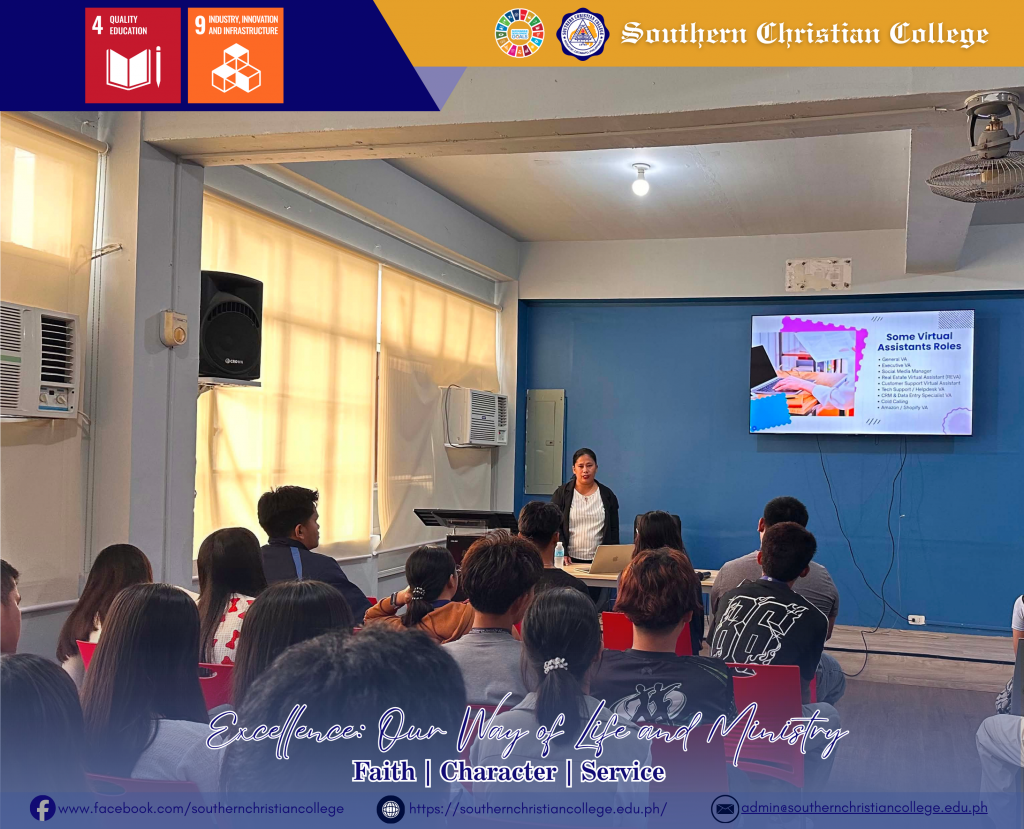
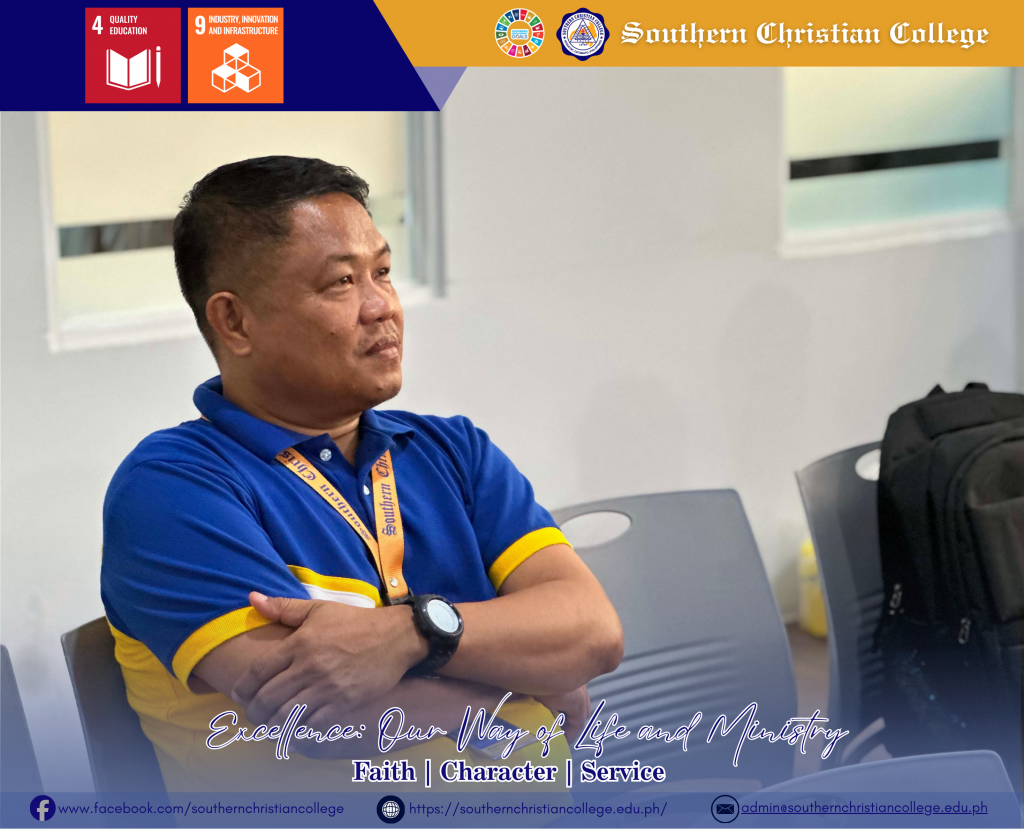
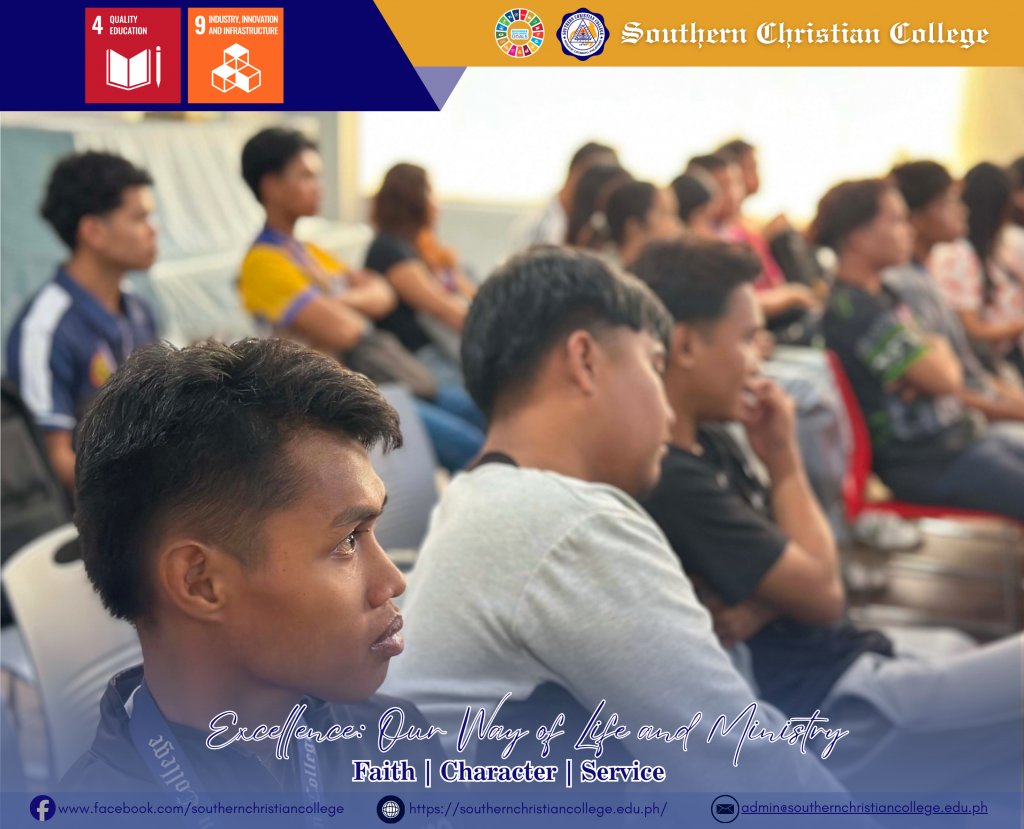
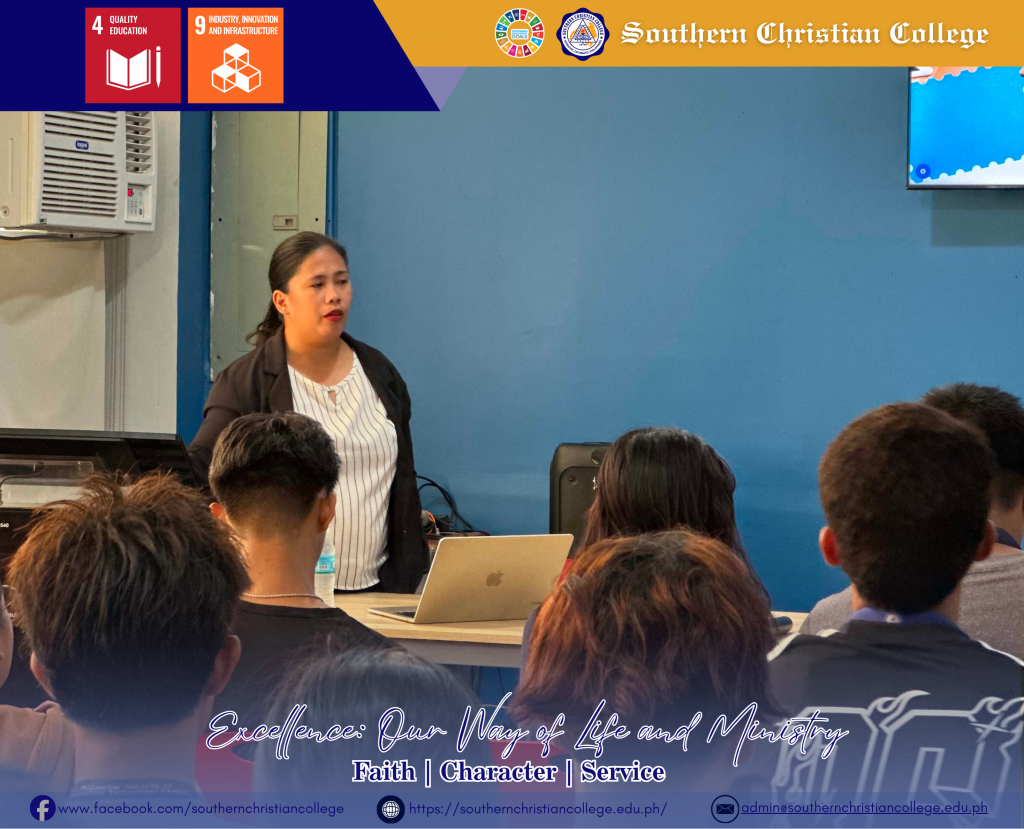
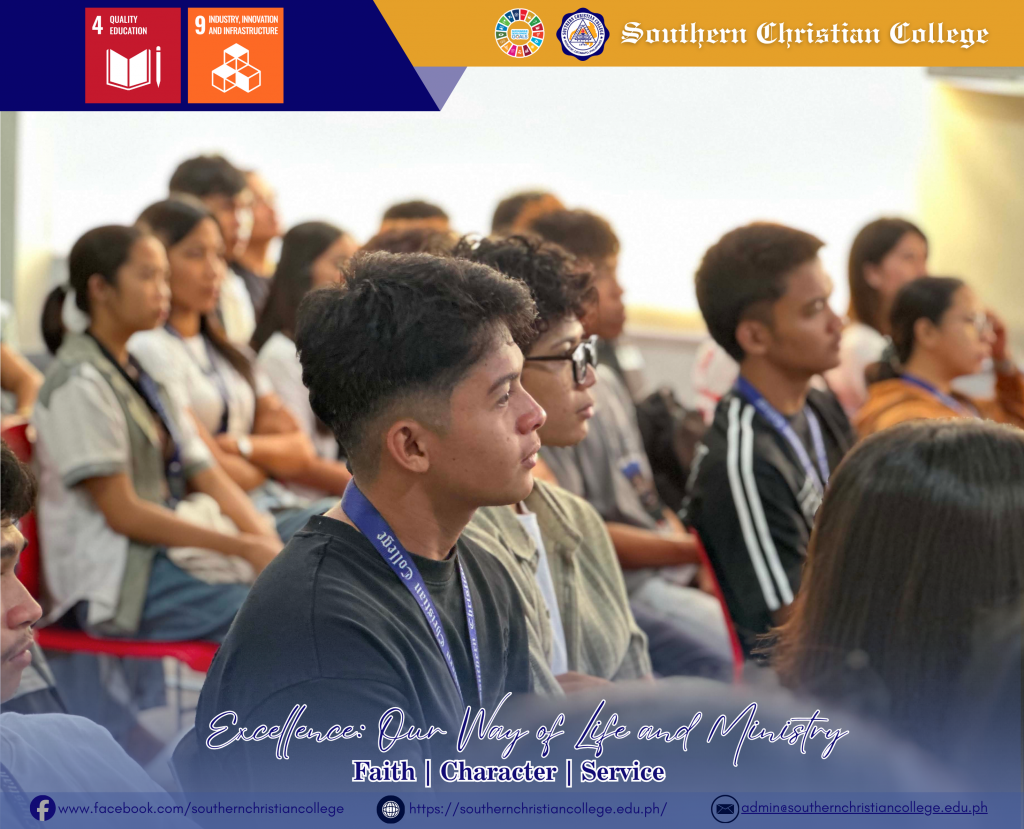
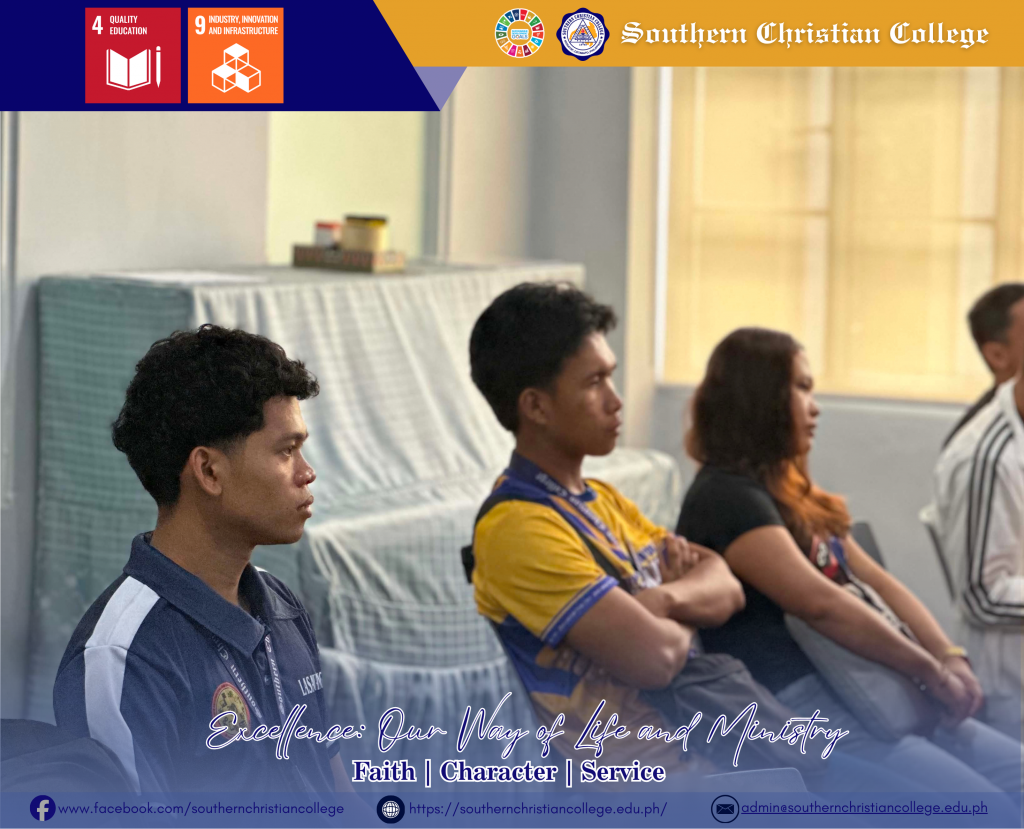
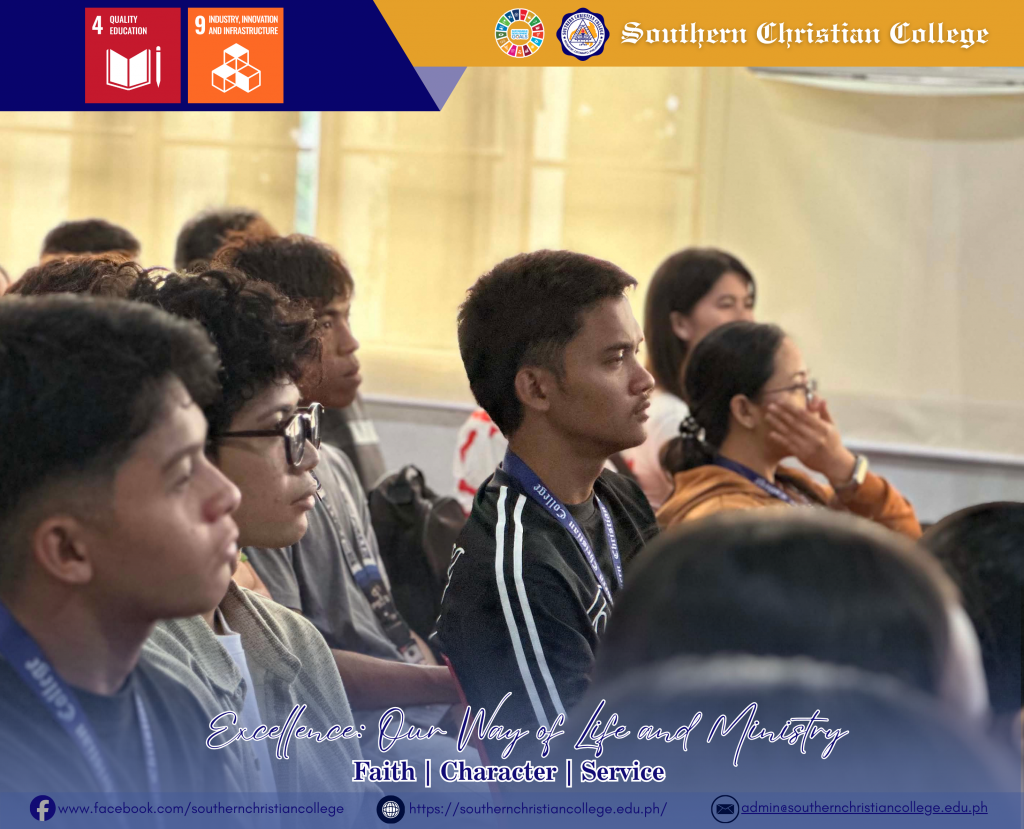
Responding to this shift, the College of Computer and Information Sciences (CCIS) of Southern Christian College conducted “VA 101: Exploring Career Paths in Virtual Assistance for ITE Students” on August 7, 2026, at 1:00 p.m. at the EMRC, Center for Learning Commons. The seminar introduced senior Information Technology Education (ITE) students to virtual assistance, freelancing, and remote work as emerging career pathways within the digital services sector.
Beyond career orientation, VA 101 served as an SDG response initiative, translating digital education and workforce preparation into concrete action toward Sustainable Development Goal 9: Industry, Innovation and Infrastructure.
Preparing Students for the Digital Economy
VA 101 provided students with an understanding of the evolving nature of employment in technology-driven industries. Discussions focused on the roles and responsibilities of Virtual Assistants, essential technical and communication skills, commonly used digital tools, and strategies for establishing a sustainable career in the online workspace.
Students were also introduced to practical considerations in managing digital careers, including client management, professional ethics, portfolio development, and continuous learning. These discussions emphasized that succeeding in the digital economy requires more than technical proficiency. Adaptability, communication, professionalism, and a commitment to lifelong learning are equally essential.
Through these competencies, CCIS helps bridge the gap between classroom learning and the skills demanded by contemporary industries, allowing students to see how their ITE knowledge can translate into actual employment and entrepreneurial opportunities.
Advancing Innovation Through Employability
The initiative directly contributes to the broader objectives of SDG 9.2, which promotes inclusive and sustainable industrialization, innovation, and productive economic activity. By exposing students to technology-enabled employment and equipping them with industry-relevant competencies, VA 101 strengthens their capacity to participate in the expanding digital services economy.
While virtual assistance belongs primarily to the digital services sector rather than manufacturing, the initiative supports the broader intent of SDG 9.2 by developing a technologically capable workforce that can contribute to productive industries and digitally enabled enterprises.
The seminar also supports the objectives associated with SDG 9.2.2, particularly the goal of strengthening employment in productive sectors. By developing digital skills, career readiness, and entrepreneurial thinking among future professionals, VA 101 positions students to provide technology-driven services to businesses, entrepreneurs, institutions, and organizations operating in an increasingly interconnected economy.
Turning Digital Skills Into Career Opportunities
For ITE students, the growing virtual assistance industry presents an important reminder that technology skills can create opportunities beyond conventional employment structures. Remote work and freelancing can allow graduates to serve clients locally and internationally while building careers that are responsive to emerging technologies and changing labor-market demands.
VA 101, therefore, goes beyond teaching students what virtual assistance is. It encourages them to consider how their existing competencies can be developed, packaged, and applied in real-world contexts.
This approach reflects the role of higher education in preparing learners not only for existing jobs but also for emerging forms of work. As industries continue to undergo digital transformation, graduates who are adaptable, digitally competent, and willing to continuously reskill will be better positioned to navigate the opportunities and challenges of Industry 4.0.
A CCIS Commitment to Sustainable Development
Through VA 101, the College of Computer and Information Sciences demonstrates how academic initiatives can become practical responses to global development priorities. By investing in students’ digital competencies and career readiness, CCIS helps build a workforce capable of supporting innovation, productivity, and digital transformation.
The initiative reflects Southern Christian College’s continuing commitment to the Sustainable Development Goals by connecting education with employability, innovation, and inclusive participation in the digital economy.
VA 101 is not simply about preparing students to become Virtual Assistants. It is about expanding their vision of what a technology-enabled career can be, strengthening their readiness for the future of work, and empowering them to become productive participants in a digital and increasingly interconnected economy.
From the classroom to the cloud, CCIS is helping ITE students turn digital competence into meaningful career possibilities, one skill at a time.